Bunny Brush: The Perfect Handwritten Font for Crafters and Sellers
When you are creating handmade goods, printable designs, or digital downloads, the typography you choose does more than just convey a message—it sets the tone, builds your brand identity, and influences how customers perceive the quality of your product. As a crafter and small business owner who spends hours designing labels, stickers, invitations, and SVG files, I know that finding the right handwritten font can be a game-changer. That is exactly why Bunny Brush, available through Script Amp, has become such a valuable asset in my design library. This creative font strikes a rare balance between playful charm and professional readability, making it suitable for everything from boutique product tags to elegant wedding stationery.
Why Bunny Brush Stands Out for Handmade Products
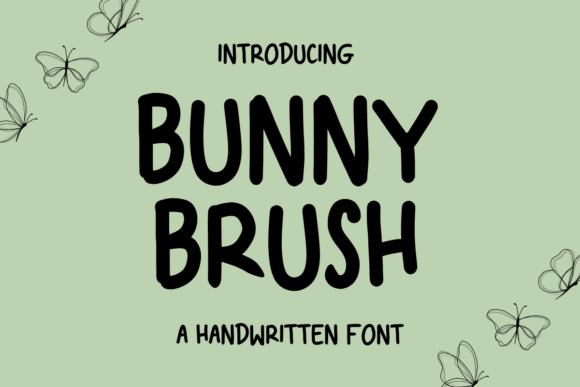
Bunny Brush is not just another generic script; it possesses a distinct visual personality that feels both modern and inviting. Described as a fun and unique handwritten typeface, it captures the essence of brush lettering without sacrificing clarity. For sellers on platforms like Etsy or those running their own Shopify stores, this distinction is crucial. Customers often scroll quickly, and they need to read your text instantly. A font that is too ornate or difficult to decipher can deter potential buyers, whereas Bunny Brush offers enough structure to remain legible while retaining the organic, personal touch that handmade items require.
The font’s charm lies in its natural flow. It mimics the look of real brush strokes, which adds an artisanal feel to your designs. Whether you are creating modern typography for a minimalist wall art print or a whimsical label for a jar of homemade candles, Bunny Brush brings warmth to the page. It avoids the stiff, robotic appearance of many computer-generated scripts, giving your work the human touch that craft enthusiasts value so highly. This emotional appeal is subtle but powerful, helping to establish a connection between your brand and your customer before they even unbox the product.
Practical Applications for Crafters and Designers
One of the most common questions I get asked is where to use a display font like Bunny Brush. The versatility of this typeface allows it to shine across a wide variety of physical and digital products. Here are some practical ways I have integrated it into my workflow:
- Product Labels and Tags: For soap makers, candle creators, or jewelry sellers, Bunny Brush is perfect for short phrases on packaging. Its readability ensures that important information (like scent names or care instructions) remains clear when paired with a smaller, simpler body text. It looks especially beautiful on kraft paper tags or glossy sticker sheets.
- Invitations and Stationery: If you sell printable wedding invitations, baby shower cards, or greeting cards, this font adds a celebratory yet sophisticated vibe. It works wonderfully for titles, names, and dates. When used for longer text, however, it should be kept to short paragraphs to maintain readability.
- Social Media Graphics: As a seller, your Instagram and Pinterest pins need to stop the scroll. Using Bunny Brush for headlines in your promotional graphics creates immediate visual interest. It pairs exceptionally well with clean backgrounds, allowing the texture of the letters to pop.
- Cutting Machine Projects: For Cricut and Silhouette users, Bunny Brush translates beautifully into vinyl cuts. The curves are smooth enough to cut cleanly without excessive weeding, making it ideal for t-shirts, tote bags, mugs, and farmhouse-style signs. The commercial font license typically included with premium downloads means you can confidently sell these finished physical goods.
- Digital Printables: In the realm of digital downloads, such as planners, journals, or quote prints, Bunny Brush serves as an excellent accent font. It breaks up the monotony of standard sans serif fonts and adds a layer of personality to otherwise functional templates.
Readability and Design Best Practices
While Bunny Brush is charming, it is primarily a display font. This means it is designed to catch the eye rather than fill pages of text. To ensure your products look professional, it is essential to understand how to use it effectively. Avoid using long blocks of text in Bunny Brush, as this can fatigue the reader’s eyes and make your product seem cluttered. Instead, reserve it for headlines, quotes, names, and short decorative wording.
For projects involving small stickers or intricate details, test your designs at actual size before finalizing them. Sometimes, the finer details of a handwritten font can get lost when scaled down. If you find the text becoming illegible, consider simplifying the layout or choosing a slightly bolder weight if available in the font family. Additionally, always check the contrast between your text color and background. A dark navy or black version of Bunny Brush will stand out sharply against light pastels, while a white version might struggle on a busy, patterned background.
Effective Font Pairing Strategies
No script font exists in isolation. To create a balanced and cohesive design, you need to pair Bunny Brush with complementary typefaces. The golden rule of font pairing is contrast. Since Bunny Brush is expressive and organic, it pairs best with clean, geometric, or simple serif fonts.
For example, pairing Bunny Brush with a clean sans serif font like Montserrat or Lato creates a modern, trendy look that is very popular in contemporary branding. This combination works exceptionally well for boutique clothing tags or minimalist home decor signs. On the other hand, pairing it with a classic serif font can lend a more traditional, elegant feel, suitable for formal wedding invitations or luxury gift packaging. By mixing the casual flair of the brush script with the stability of a structured font, you guide the viewer’s eye and create a hierarchy that makes your design easy to navigate.
Technical Details and Licensing
Before purchasing any design assets, it is wise to review the technical specifications. Bunny Brush typically comes in various file formats, ensuring compatibility with all major design software, including Adobe Illustrator, Photoshop, and Canva. Check for included styles such as regular, bold, or italic variants, as well as any special characters, ligatures, or swashes that can add extra flair to your designs. Multilingual support is also a key feature to verify if you plan to target international markets.
Perhaps most importantly, always pay attention to the licensing terms. As a seller, you need a commercial font license that explicitly allows you to use the typeface on physical products you intend to sell. Most premium fonts from reputable foundries like Script Amp include broad commercial rights, but it is always better to be safe than sorry. Ensure your license covers the specific mediums you are working with, whether that is digital downloads, print-on-demand merchandise, or client work. Having the correct documentation protects your business and gives you peace of mind as you grow your creative enterprise.
Elevating Your Brand Identity
In the crowded marketplace of handmade goods, consistency is key. Using a distinctive creative font like Bunny Brush helps establish a recognizable visual language for your brand. When customers see your unique brush script on a package, they immediately associate it with your style and quality. Over time, this repetition builds trust and loyalty. By investing in high-quality design assets like Bunny Brush, you are not just buying a font; you are investing in the professionalism and appeal of every product you create. Whether you are a seasoned pro or just starting your crafting journey, adding this versatile handwritten font to your toolkit is a smart move that pays off in every project.