Austin House: A Handwritten Font for Handmade Brands
As a maker who spends half the day cutting vinyl and the other half designing digital printables, I have learned that typography is not just about reading words—it is about setting a mood. When you are creating physical products like candle labels, wedding invitations, or boutique tote bags, the font you choose communicates quality before the customer even touches the item. This is where Austin House, a cute and friendly handwritten font from Script Amp, becomes an essential asset in your design toolkit. It bridges the gap between professional polish and approachable charm, making it ideal for creators who want their work to feel personal yet polished.
The Visual Personality of Austin House
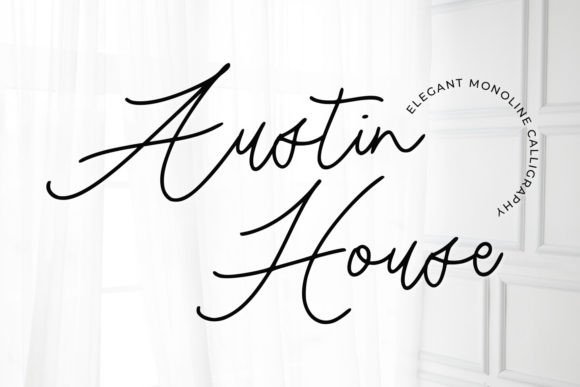
Austin House is more than just a standard script; it carries a distinct visual personality that feels warm, inviting, and slightly rustic. As a handwritten font, it mimics the natural flow of pen on paper but with enough consistency to remain legible across various mediums. The letters have a gentle, rounded structure that avoids the sharp edges of formal calligraphy, making it accessible and friendly. This "cute" aesthetic does not mean childish; rather, it suggests warmth and authenticity, qualities that resonate deeply with customers browsing Etsy or local craft fairs.
For small business owners, brand identity is everything. Using a font like Austin House helps establish a cohesive look across your product line. Whether you are designing a logo for a handmade jewelry shop or creating social media graphics for a new seasonal collection, the consistent stroke weight and charming irregularities of Austin House tie your designs together. It signals to your audience that your brand values craftsmanship and human touch over mass-produced perfection.
Practical Applications for Crafters and Sellers
The versatility of Austin House makes it suitable for a wide array of practical projects. Because it is designed to be attractive and readable, it excels in contexts where short phrases carry the most weight. Here is how this creative font can elevate specific product categories:
- Product Labels and Tags: For businesses selling soy candles, bath bombs, or baked goods, Austin House provides the perfect backdrop for branding. Its friendly nature makes packaging feel gift-worthy. Use it for the brand name on a kraft paper tag, and pair it with a simpler font for ingredient lists.
- Invitations and Stationery: Wedding stationery, baby shower invites, and holiday cards benefit greatly from the elegance of a script. Austin House works beautifully for names and dates on invitations. Its readability ensures that guests can easily find the important details without straining their eyes.
- Apparel and Accessories: When designing for t-shirts, sweatshirts, or tote bags, text needs to be clear even when viewed from a distance. Austin House holds up well on fabric prints because its letterforms are distinct. It adds a bohemian or farmhouse flair to apparel designs that appeal to trend-conscious buyers.
- Digital Printables and Planners: If you sell printable wall art, quote prints, or planner inserts, Austin House adds a personal touch to motivational quotes or daily headers. It looks stunning in black and white, making it cost-effective for users who print at home.
- Cutting Machine Projects: For Cricut and Silhouette users, Austin House translates well into vinyl cuts. The curves are smooth, which reduces the risk of tearing delicate materials like transfer tape or thin vinyl. It is excellent for creating decals for water bottles, laptops, or car windows.
Readability and Design Best Practices
While Austin House is charming, there are practical considerations to keep in mind to ensure your products look professional. Like all script fonts, it is best suited for short phrases, titles, names, and decorative wording rather than long paragraphs of body text. Trying to write a full paragraph in Austin House can result in a design that feels cluttered and difficult to read.
When scaling the font for different applications, always check the preview carefully. On small stickers or tiny product tags, overly complex swashes might blur together. In these cases, simplify the design by using only the core letters or opting for a cleaner version of the typeface if available. For larger formats like banners, welcome boards, or framed wall art, you can let the font shine by incorporating its full character set, including any alternates or ligatures that add extra flair.
Mockup previews are your best friend. Before finalizing a design for a mug or a shirt, place the text on a realistic mockup to see how it interacts with the shape of the object. Text that looks balanced on a computer screen might stretch awkwardly around the curve of a ceramic mug. Austin House’s organic shapes can help disguise minor alignment issues, but testing is still crucial for maintaining high perceived quality.
Effective Font Pairing Strategies
To create a balanced composition, pair Austin House with complementary typefaces. Since Austin House is a display font with strong personality, it needs a calm partner to ground the design. A clean sans serif font is an excellent choice for providing contrast. Use Austin House for the headline or main graphic element, and use a simple sans serif for secondary information like pricing, ingredients, or contact details. This combination creates a modern hierarchy that guides the viewer’s eye naturally.
Alternatively, you can pair Austin House with a classic serif font for a more traditional or vintage aesthetic. This pairing works wonderfully for rustic-themed wedding invitations or farmhouse-style decor. The structured lines of a serif font provide stability against the flowing curves of Austin House, resulting in a sophisticated yet cozy look. Avoid pairing it with another busy script font, as this can create visual noise and reduce readability.
Technical Details and Licensing
Before purchasing, review the technical specifications provided by Script Amp. Check for included styles such as bold, italic, or regular weights, and look for special features like ligatures, swashes, and alternates. These elements allow you to customize the look of your text, adding unique flourishes to logos or monograms. Additionally, verify multilingual support if you plan to target international markets or include foreign language text in your designs.
Most importantly, understand the licensing terms. If you are selling physical products made with Austin House, you typically need a commercial license. This allows you to use the font in designs that are printed and sold, such as shirts, mugs, and stickers. However, selling the font file itself or using it in uneditable digital templates usually requires a different tier of license. Always read the end-user license agreement (EULA) to ensure you are compliant, protecting both your business and the font foundry. Investing in proper licensing gives you peace of mind and supports the designers who create these valuable assets.
Incorporating Austin House into your workflow can significantly enhance the appeal of your handmade goods. Its friendly demeanor and reliable performance make it a go-to choice for creators who want to infuse their projects with heart and style. By using it thoughtfully and pairing it correctly, you can create designs that not only look beautiful but also connect emotionally with your customers.